


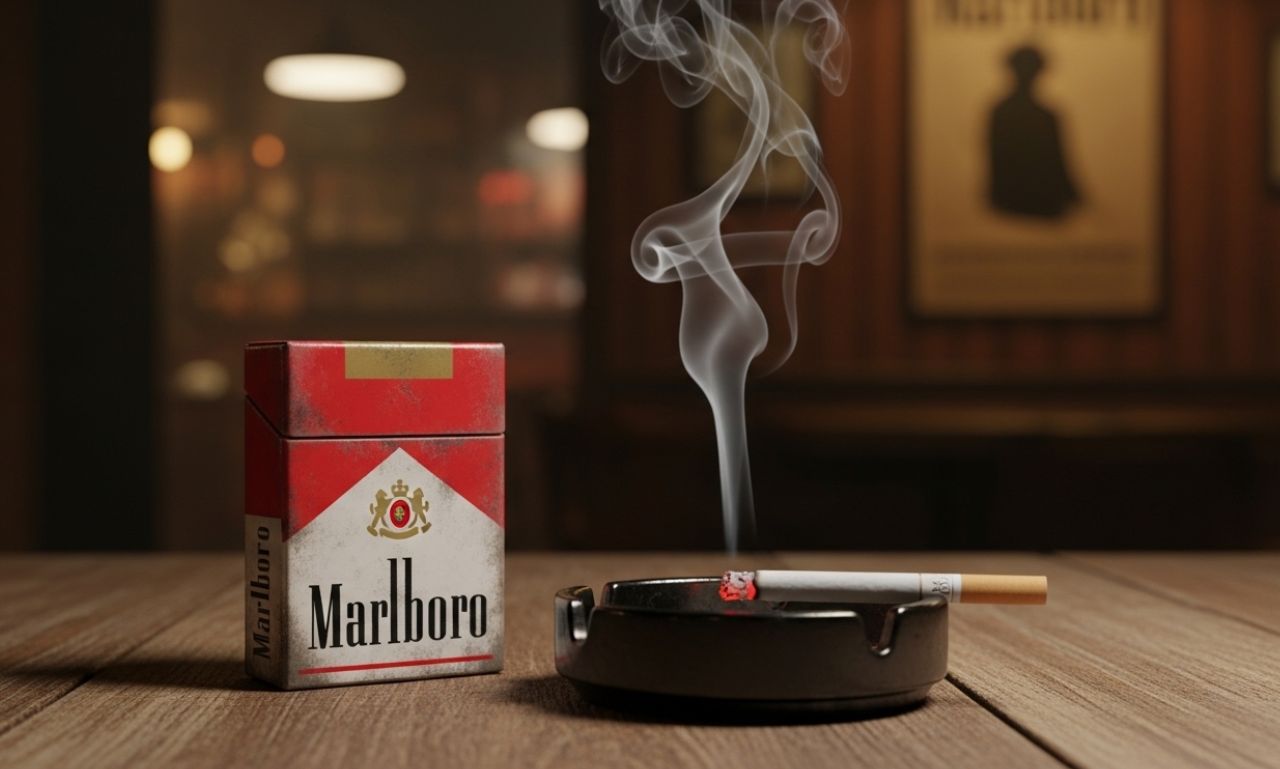
Marlboro is one of the most famous cigarette brands worldwide, recognized for its iconic red-and-white packaging and long-standing marketing campaigns. Owned by Philip Morris International, Marlboro has become synonymous with tobacco culture and branding excellence. Over decades, the brand has shaped perceptions of smoking through innovative advertising and global distribution, making Marlboro a household name.
History and Evolution of Marlboro
Marlboro was introduced in 1924 as a women’s cigarette brand, promoted with the slogan “Mild as May.” However, in the 1950s, the company repositioned Marl boro to target men, introducing the famous “Mar lboro Man” cowboy campaign. This shift transformed the brand into a symbol of rugged masculinity and freedom, contributing to a massive increase in sales. Over time, Marl boro expanded globally, becoming the world’s leading cigarette brand and a cultural icon.
Iconic Marketing and the Marlboro Man
One of Mar lboro’s most significant achievements is its marketing strategy. The Mar lboro Man, a rugged cowboy figure, symbolized independence, adventure, and masculinity. This campaign resonated with millions and became one of the most effective advertising campaigns in history. Beyond the cowboy image, Marl boro has leveraged sponsorships, events, and lifestyle marketing to maintain its relevance in an increasingly regulated tobacco market.
Global Presence of Marlboro
Marl boro is sold in over 180 countries, making it a truly global brand. Its worldwide reach is supported by strong distribution networks and consistent brand messaging. Different regions may have variations in product offerings, such as Marlboro Red, Marlboro Gold, and Marlboro Silver, catering to different preferences and local regulations. The brand’s global recognition contributes to its dominance in the tobacco industry.
Health Considerations and Regulations
While Marl boro is a powerful brand, it is also a product associated with serious health risks. Smoking tobacco increases the likelihood of lung cancer, heart disease, and respiratory illnesses. Many countries have implemented strict regulations to reduce tobacco consumption, including warning labels, advertising restrictions, and smoking bans in public places. Despite this, Marl boro continues to maintain market share due to brand loyalty and strategic marketing.
Cultural Impact of Marlboro
Beyond cigarettes, Mar lboro has influenced popular culture. The brand has appeared in films, music, and art, symbolizing rebellion, freedom, and Americana. Its cowboy imagery has become a cultural reference point, illustrating how marketing can shape societal perceptions. Marl boro’s presence in global media also reflects the power of branding in influencing lifestyle choices and consumer behavior.
Challenges in the Modern Era
Marl boro faces several challenges in today’s market:
-
Health Awareness: Increased awareness of smoking risks has reduced demand in many countries.
-
Regulatory Pressure: Governments worldwide have implemented taxes, packaging regulations, and advertising bans.
-
Competition: Alternative nicotine products, including vaping and e-cigarettes, are attracting younger consumers.
To remain relevant, Ma rlboro has diversified into reduced-risk products and invested in alternative nicotine delivery systems.
The Future of Marlboro
Looking forward, Mar lboro is adapting to changing consumer habits and regulations:
-
Reduced-Risk Products: Initiatives like IQOS aim to provide alternatives to traditional cigarettes.
-
Digital Marketing: Digital campaigns target adult smokers while adhering to advertising regulations.
-
Sustainability: Efforts in sustainable packaging and responsible sourcing of tobacco reflect evolving corporate responsibility trends.
These strategies aim to maintain Marlboro’s market leadership while addressing health and regulatory challenges.
Conclusion
Marlboro is more than just a cigarette brand—it is a cultural and marketing phenomenon that has left an indelible mark on global society. From the iconic Marlboro Man to worldwide recognition, the brand’s influence on smoking culture is undeniable. While health concerns and regulations challenge the industry, Marlboro continues to evolve, demonstrating the power of branding and adaptation in a changing world.