


Cephalexin is a widely prescribed antibiotic that belongs to the class of cephalosporins. It is commonly used to treat bacterial infections, including respiratory tract infections, skin infections, ear infections, and urinary tract infections. Cephalexin works by inhibiting bacterial cell wall synthesis, ultimately stopping the growth of bacteria and helping the body fight infections effectively.
This article explores cephalexin’s uses, dosage, side effects, precautions, and important considerations for safe and effective treatment.
What Is Cephalexin?
Cephalexin is a beta-lactam antibiotic that targets a broad range of Gram-positive and some Gram-negative bacteria. It is available in several forms, including capsules, tablets, and liquid suspensions, making it suitable for adults and children alike.
It is commonly prescribed for:
-
Skin infections such as cellulitis or abscesses
-
Respiratory infections like bronchitis or pneumonia
-
Ear infections (otitis media)
-
Urinary tract infections (UTIs)
-
Bone infections in some cases
Cephalexin is effective against susceptible bacteria, but it is not useful for viral infections like the common cold or flu.
How Cephalexin Works
Cephalexin works by interfering with the bacterial cell wall synthesis. Without a strong cell wall, bacteria cannot maintain their structure, leading to their death. This mechanism makes cephalexin bactericidal, meaning it kills bacteria rather than just inhibiting their growth.
It is most effective when the prescribed dosage is taken consistently for the full duration, even if symptoms improve before the course is completed.
Dosage and Administration
The dosage of cephalexin depends on the type and severity of infection, as well as the patient’s age and kidney function. Typical guidelines include:
-
Adults: 250–500 mg every 6 hours or 500 mg every 12 hours for mild to moderate infections
-
Children: 25–50 mg/kg per day divided into 2–4 doses
-
Severe infections: Higher doses may be prescribed under medical supervision
Administration tips:
-
Take with or without food
-
Drink plenty of water to prevent kidney-related side effects
-
Complete the full course to avoid bacterial resistance
Possible Side Effects
Cephalexin is generally well-tolerated, but some individuals may experience:
-
Gastrointestinal issues: nausea, vomiting, diarrhea, or stomach pain
-
Allergic reactions: rash, itching, swelling, or severe reactions like anaphylaxis (rare)
-
Yeast infections: prolonged use may lead to fungal overgrowth
-
Other effects: dizziness, headache, or changes in taste
If severe side effects occur, immediate medical attention is recommended.
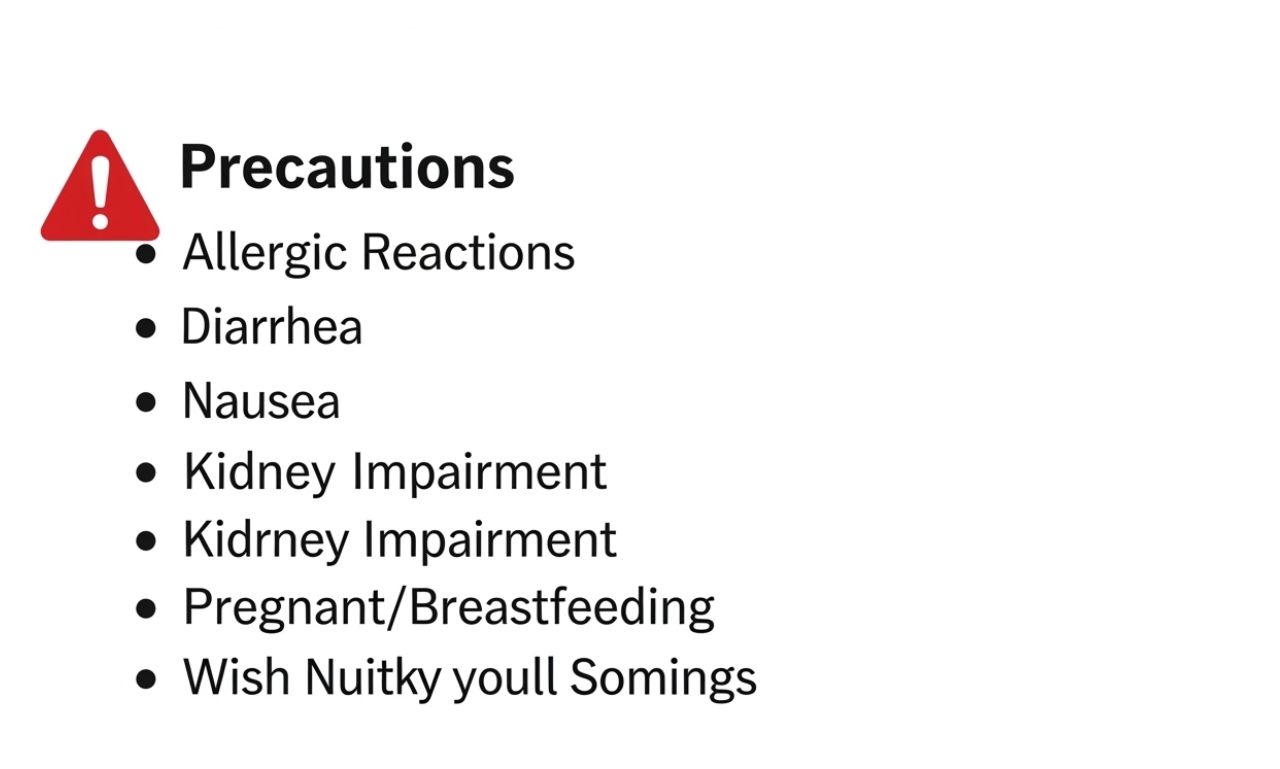
Precautions and Interactions
Before taking cephalexin, consider the following precautions:
-
Allergies: Avoid if allergic to cephalosporins or penicillin, as cross-reactivity can occur
-
Kidney problems: Dosage adjustments may be needed
-
Pregnancy and breastfeeding: Generally considered safe but consult a doctor first
-
Drug interactions: Can interact with blood thinners (like warfarin) and other antibiotics
Always inform your healthcare provider of any existing conditions or medications before starting cephalexin.
Resistance and Safe Use
Overuse or misuse of cephalexin can lead to antibiotic resistance, reducing effectiveness against infections. To minimize risks:
-
Never use leftover antibiotics
-
Do not skip doses
-
Avoid using antibiotics for viral infections
-
Consult a healthcare professional for proper diagnosis
Responsible use ensures cephalexin remains a valuable tool in fighting bacterial infections.
Conclusion
Cephalexin is an effective and commonly prescribed antibiotic for treating a wide range of bacterial infections. Its ability to kill bacteria makes it a vital medication in both outpatient and hospital settings. However, safe use, adherence to dosage, and awareness of side effects are critical to maximizing its benefits and preventing antibiotic resistance.
With proper medical guidance, cephalexin continues to be a trusted treatment for patients worldwide.